How Much Water Should You Drink Each Day?
Hydration is one of the most overlooked—but most powerful—foundations of health. At NP Empowered Wellness, we see daily how proper hydration impacts energy levels, metabolism, hormone balance, skin quality, and even weight-loss success.
Yet one of the most common questions patients ask is simple:
"How much water should I actually be drinking?"
The answer isn't one-size-fits-all. Let's break it down in a way that's practical, science-based, and tailored to real life.
The General Rule: A Starting Point, Not a Prescription
You've probably heard the recommendation to drink 8 glasses of water per day. While that can be a helpful baseline, it doesn't account for differences in:
- Body size and composition
- Activity level
- Climate
- Medications
- Metabolic health
- Hormone status
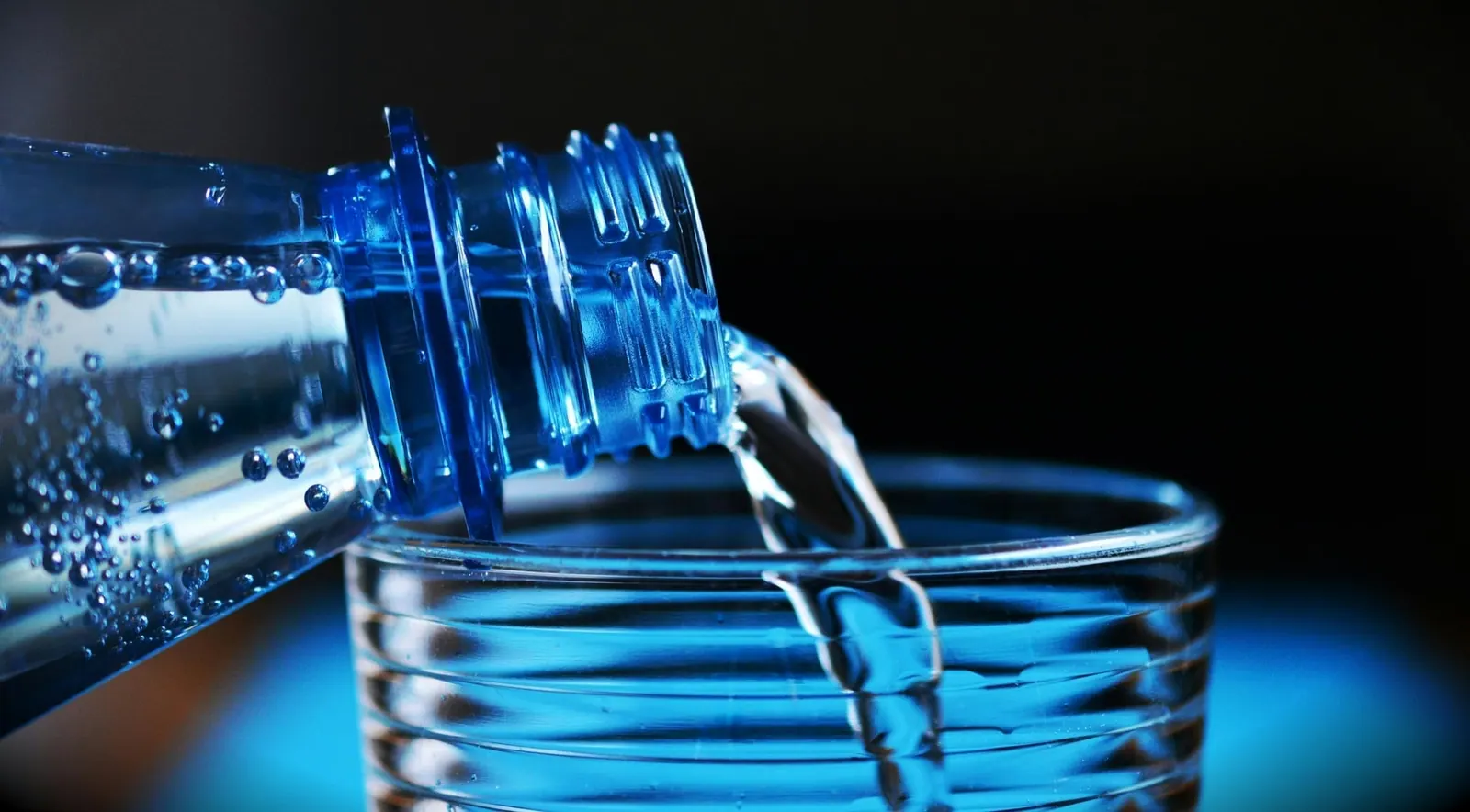
A more personalized and clinically useful guideline is: 💧 Half your body weight (in pounds) in ounces of water per day Examples: 140 lbs → ~70 oz/day 180 lbs → ~90 oz/day This includes plain water and can also include unsweetened herbal tea or mineral water.
Why Hydration Matters More Than You Think
Water plays a critical role in numerous bodily functions. Understanding the specific connections helps us appreciate why hydration is foundational to health.
1. Hydration & Metabolism
Water plays a critical role in:
- Fat metabolism
- Appetite regulation
- Thermogenesis (calorie burning)
2. Hydration & GLP-1 Weight Loss Medications
If you're on GLP-1 medications (such as semaglutide or tirzepatide), hydration is non-negotiable.
These medications:
- Reduce thirst cues
- Slow gastric emptying
- Increase risk of constipation and dizziness if fluid intake is low
Hydration & Hormone Balance
Hormonal health relies on proper fluid balance. Chronic dehydration may contribute to:
- Headaches
- Fatigue
- Brain fog
- Worsened PMS or menopausal symptoms
For patients in perimenopause, menopause, or hormone optimization programs, hydration supports: • Circulation • Detox pathways • Medication absorption
Signs You're Not Drinking Enough Water
Many patients don't feel "thirsty" but still aren't hydrated. Watch for:
- Fatigue or afternoon crashes
- Headaches
- Dry skin or lips
- Constipation
- Dark yellow urine
- Muscle cramps
If these sound familiar, hydration is often the first thing we address—before labs or medication changes.
Do Electrolytes Matter?
Yes—but strategically.
Electrolytes can be helpful if you:
- Exercise regularly
- Sweat heavily
- Are on GLP-1 medications
- Experience dizziness or muscle cramps
Choose electrolyte products without added sugar, THORNE supplements (https://npempoweredwellness.store.prospyrmed.com/) and avoid using them all day long unless medically indicated.
Hydration & Skin Health
Hydration supports:
- Skin elasticity
- Barrier function
- Healing after aesthetic treatments
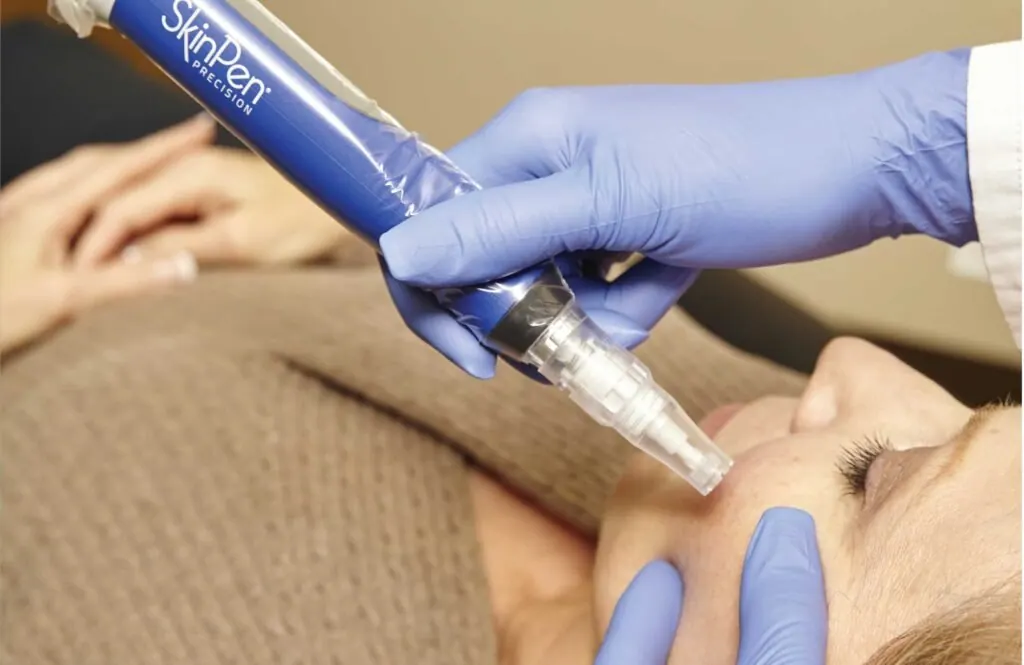
While water alone won't replace collagen or medical treatments, dehydrated skin never performs at its best—especially after lasers, injectables, or microneedling.
Practical Tips to Stay Hydrated (Without Overthinking It)
- Start your morning with water before caffeine
- Keep a reusable bottle nearby
- Sip consistently—don't "chug"
- Pair water intake with habits (meals, meds, workouts)
- Increase intake during heat, illness, or travel
The Empowered Takeaway
Hydration isn't trendy—it's foundational.
At NP Empowered Wellness, we view water intake as part of your overall medical strategy, not a generic wellness tip. Whether you're focused on metabolic health, hormone balance, longevity, or aesthetic outcomes, hydration supports every system we treat.
If you're unsure how much water you should be drinking—or you're experiencing fatigue, stalls in weight loss, or medication side effects—we can help personalize your plan.
💧 Because empowered health starts with the basics—done correctly.
If you're unsure how much water you should be drinking—or you're experiencing fatigue, stalls in weight loss, or medication side effects—we can help personalize your plan.
Schedule Your ConsultationReferences
- Institute of Medicine (IOM). Dietary Reference Intakes for Water, Potassium, Sodium, Chloride, and Sulfate.
- National Academies of Sciences, Engineering, and Medicine. Dietary Reference Intakes for Water.
- Armstrong LE. Hydration assessment techniques. Nutrition Reviews.
- Stookey JD et al. Dehydration increases fatigue and impairs mood and cognitive performance.
- Davies M et al. Semaglutide effects on appetite, energy intake, and gastric emptying.
- Nauck MA, Meier JJ. Incretin hormones and appetite regulation.
- (References summarized for patient education; clinical decision-making should always be individualized.)